

Know what’s below. Decide what’s next.
Clear Environmental is a London-based geo-environmental consultancy. We find out what’s in the ground beneath your site and tell you, in plain English, what it means for buying, planning, designing and building.
What we do
Whether you’re buying a site or building on one, someone needs to check what’s in the ground and whether it matters. That’s our job. We investigate, explain what we find, and recommend what to do next.
Transactions & site risk
Before you buy, sell, refinance or hand back a lease, we check whether the land’s past could affect value, liability or insurance, and tell you plainly if it matters.
For acquisitions, refinancing, vendor reports and lease end.
Contaminated land
Old factories, fuel tanks, landfill and made ground can leave contamination behind. We find out whether it’s there and whether it actually matters for what you’re building.
Ground conditions & design
We test the soil, rock, groundwater and ground gas beneath your site, so foundations, drainage and gas protection are designed safely without over-designing them.
Developing a site? Five steps, only as far as you need.
Most development projects follow the same path from first look to final sign-off. Many sites don’t need every step, and we’ll tell you as soon as yours can stop.
Check the site’s history
We review old maps, records and the site itself to spot anything that could be a problem.
Phase 1 desk studyInvestigate the ground
Where it’s needed, we dig, drill and test to replace assumptions with evidence.
Site investigation · Phase 2Explain what it means
We tell you what matters, what can be ruled out, and what it means for your scheme.
Interpretation & adviceFix what’s needed
If something needs managing, we design a proportionate, cost-effective solution.
Remediation strategyProve it’s done
We provide the evidence to sign off planning conditions and close the project.
VerificationWhere is your project right now?
You don’t need to know which report you need. Tell us the decision you’re facing, and we’ll scope only the work that answers it.
We help distinguish between environmental issues that are material to the transaction and those that can be managed without changing the investment case.
Industrial acquisition, Walsall: risks shown to be manageable for the existing use, so insurance was placed and the deal proceeded.
Walsall case study →The objective is not to investigate everything. It is to provide enough robust evidence to address the credible risks relevant to the proposed development.
needed on a London residential scheme: the desk study showed the proposals introduced no material contamination risk.
London case study →We interpret the condition, the existing evidence and the remaining uncertainty so the project team can complete the work that is necessary, without automatically escalating the scope.
Manchester: no gas protection or groundwater remediation needed. Remediation was limited to clean cover in soft landscaping.
Manchester case study →Investigation should be targeted around the parameters, locations and uncertainties that could change the foundation, drainage or construction strategy.
Gloucester: site-specific infiltration evidence gave the LPA confidence in a soakaway strategy, removing the need to discharge to sewer.
Gloucester case study →Completion of the work is not the same as proving it. We help establish the evidence required to support verification and project close-out.
Tilbrook: a localised finding no longer dictated remediation across the whole site, and the verification evidence was planned up front.
Tilbrook case study →Often the most valuable finding is what you don’t need to do.
Similar-looking issues can lead to very different outcomes. What the site will be used for, the ground and the water beneath it decide what actually needs doing.
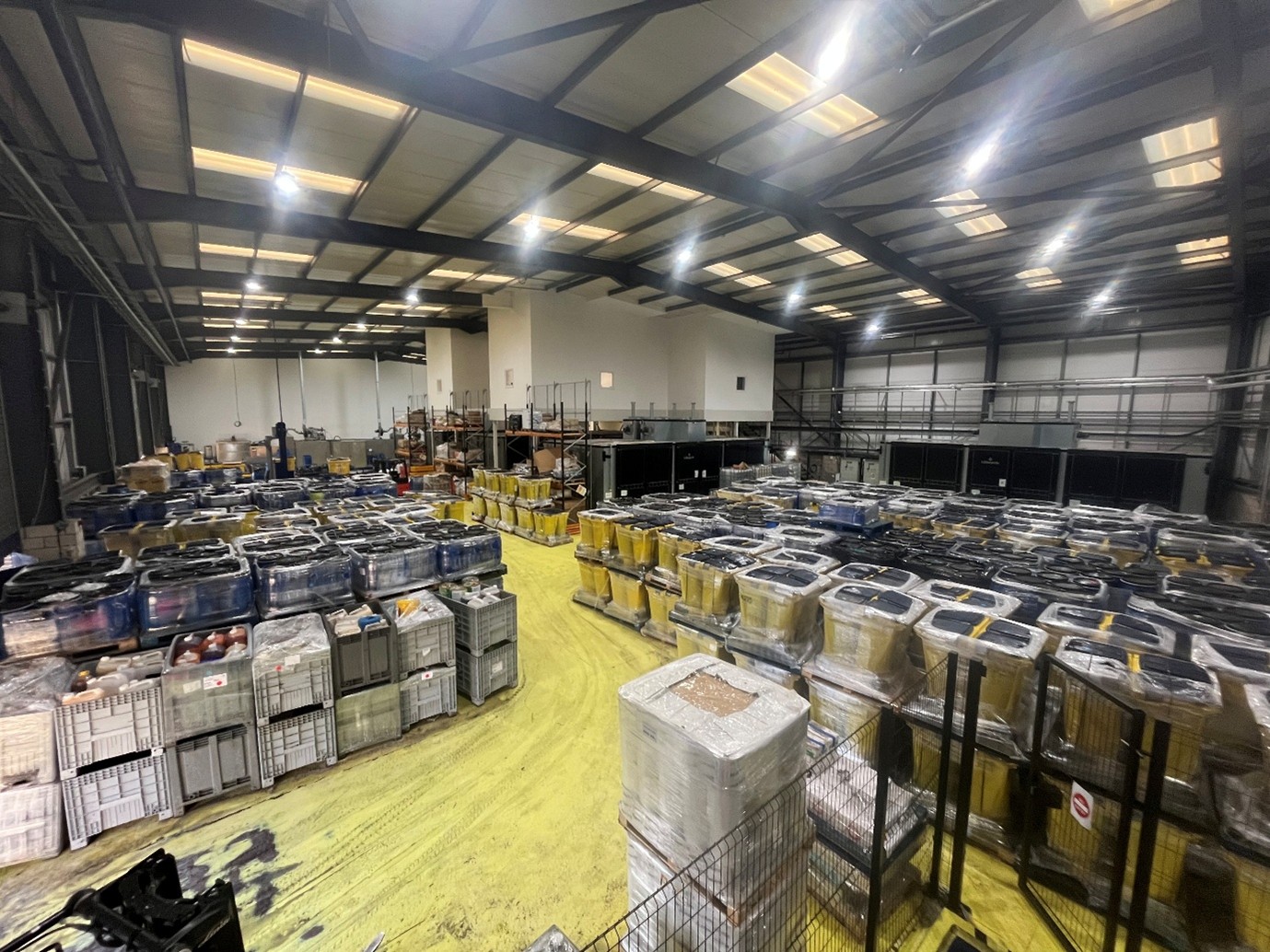
Showing the risk was manageable, so the deal could proceed
Environmental due diligence for an industrial acquisition in Staffordshire showed the risk was manageable, so insurance was secured and the purchase went ahead.
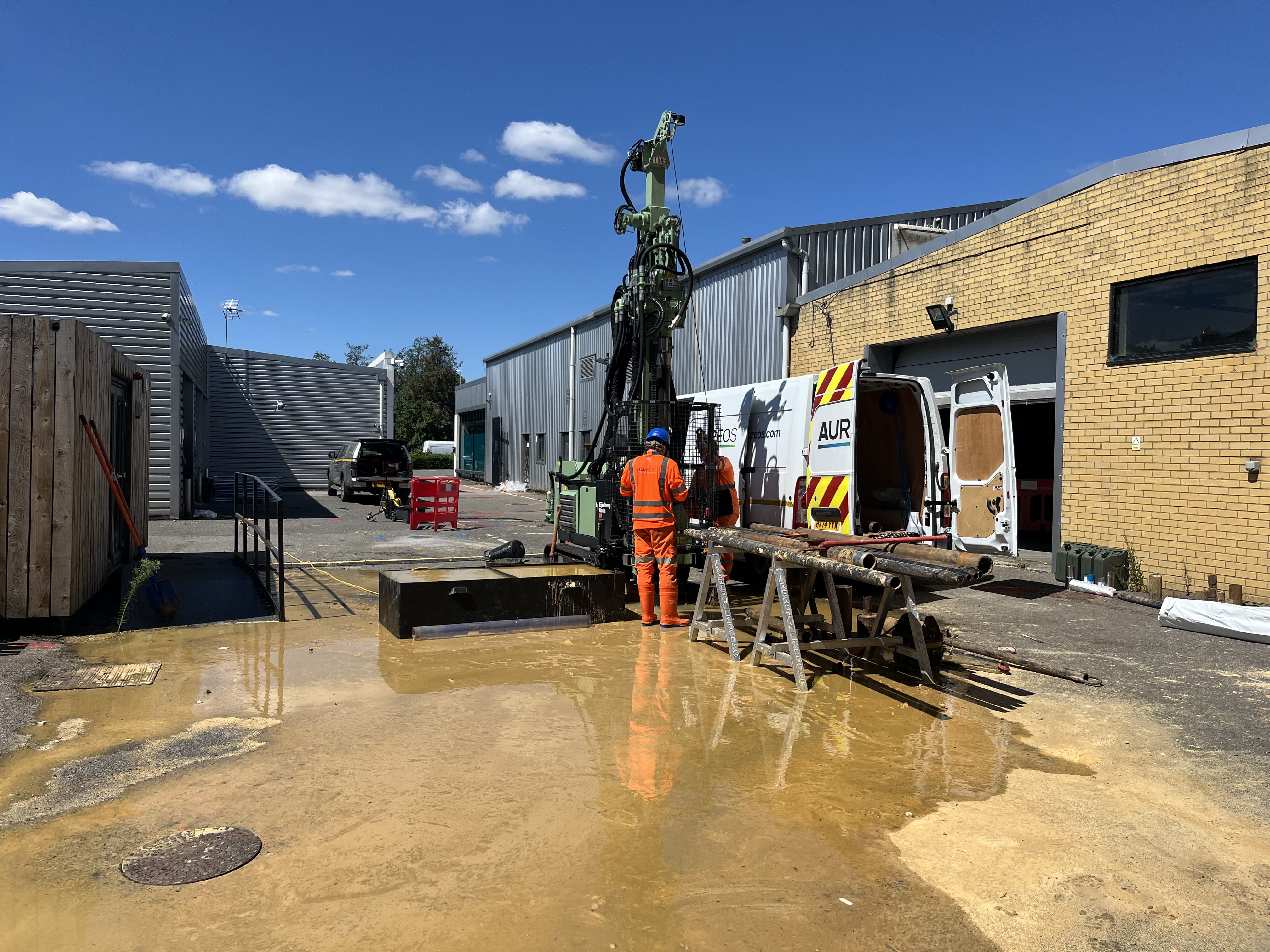
Determining foundation options before the design depended on them
Shallow foundations were ruled out for a self-storage redevelopment in Sevenoaks. The investigation identified more appropriate options for foundation design.
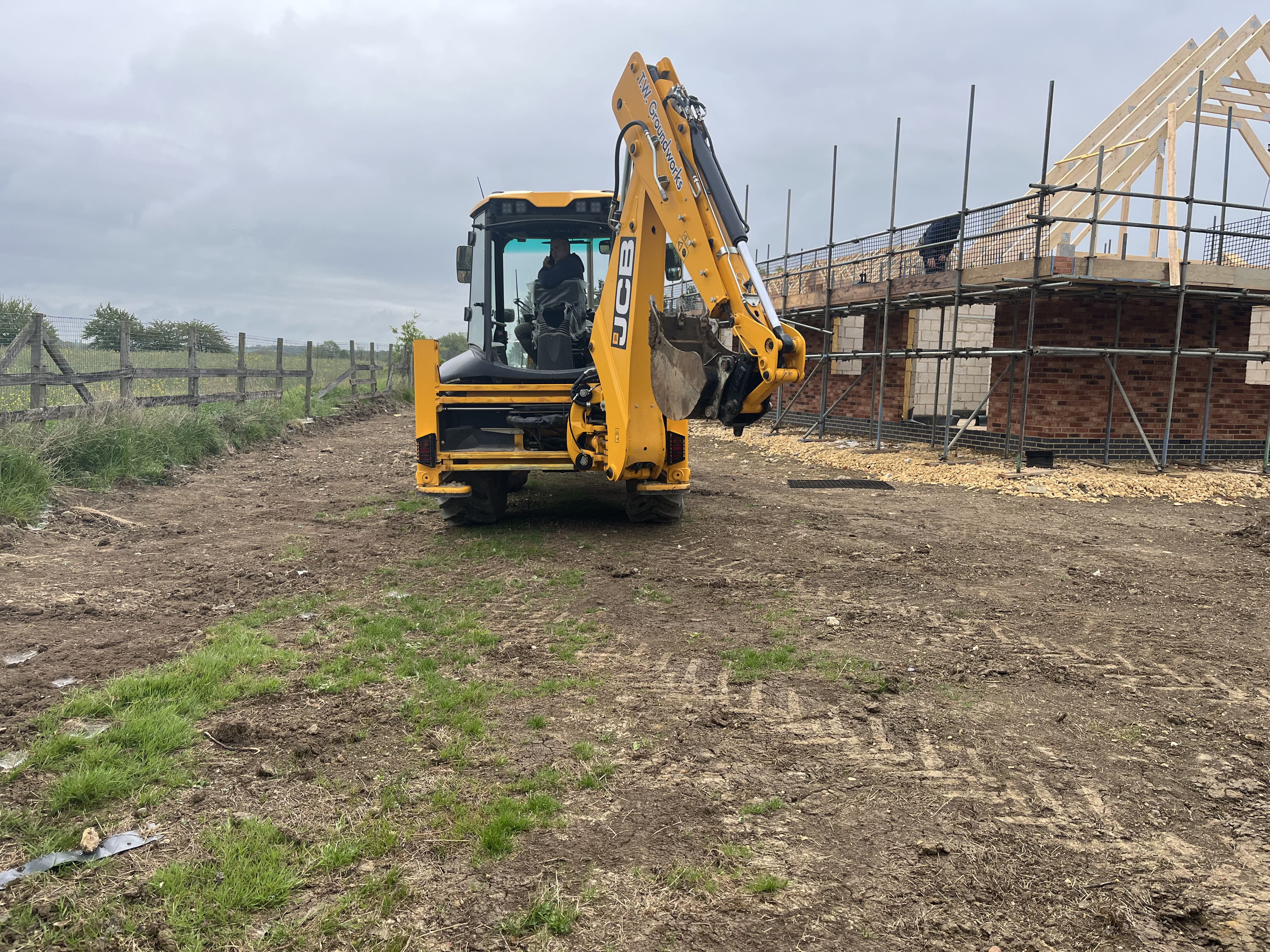
Keeping remediation proportionate to a localised hotspot
At a former kennels and cattery in Tilbrook, a localised hotspot sat beneath a proposed building, so site-wide remediation was not justified.
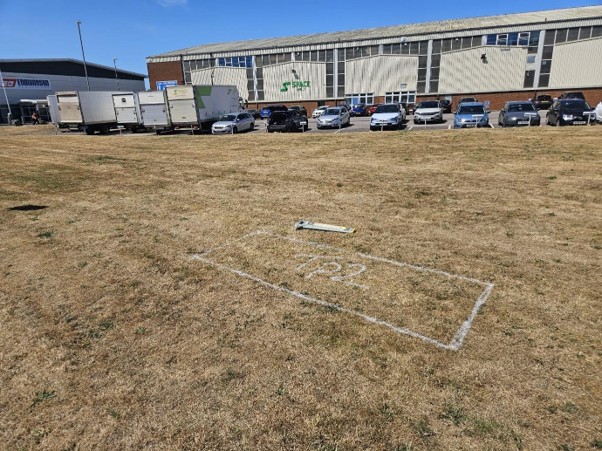
A soakaway strategy the planning authority accepted
BRE 365 infiltration testing in Gloucester, reported within days, supported a soakaway strategy the local planning authority accepted.
From first look to final sign-off.
Three groups and ten services, read as one picture of the ground. Use one, or let the evidence decide how far you need to go.
Technical credibility, commercial sense.
Senior judgement, technical rigour and advice shaped around your project, not a standard scope.
Proportionate by default
We investigate what needs resolving, not everything that could theoretically be tested.
Commercially literate
Technical advice should help the project move forward, not simply describe the problem.
Technically uncompromising
Proportionate does not mean less rigorous. Conclusions must still be supported by defensible evidence.
Clear, then fast
Clarity comes first. Efficient delivery follows from understanding what the project actually needs.

“Our value lies in interpretation, not just documentation.”
A senior consultant is involved from scoping to sign-off and is accountable for every conclusion. That means interpreting the evidence rather than just reporting it, challenging assumptions where the evidence allows, and giving you a clear recommendation.
About Clear →The questions that change the scope.
What it really takes to discharge a condition, when a good infiltration rate still isn’t enough, and where interpretation matters more than the report.

Get a quote for your site.
Send us the address and what you’re planning. A senior consultant will reply with a quote and the right first step, usually within one working day.